A Scandinavian living room, tried on your own room.
Scandinavian rooms are designed around daylight, because northern winters have so little of it. That makes the style look different from one room to the next, and it is worth seeing on your own windows and floor before you repaint or buy a sofa.
Updated

Short answer
A Scandinavian living room pairs white or very pale walls with light wood, simple low furniture and a few soft textiles, and keeps the windows as clear as possible. To see it on your own living room, upload a photo to Remodeled AI and choose the Living room room type and the Scandinavian style. On the web, both are included with a free account, with starter credits and no card.
What makes a Scandinavian living room
- Pale walls. White or warm off-white walls bounce daylight around the room. Color comes from objects, not paint.
- Light wood. Oak, ash, birch or pine on the floor and in the furniture, usually with a matte or oiled finish.
- Simple, low furniture. A sofa on visible legs, a plain coffee table and little else. Pieces are chosen to be used every day.
- Soft layers. Wool throws, linen cushions and a flat-woven rug keep a pale room from feeling cold.
- Bare or sheer windows. Curtains are thin or left off, and lamps at several heights take over after dark.
What to check on your own living room
A photo of someone else’s living room can’t tell you how the style sits with your light, your proportions and the things you are keeping. These are the points to look at once it is on your photo:
- Your floor. Pale furniture reads differently on an orange or red-toned floor than on blond wood. See whether a large pale rug settles it.
- How much light the room gets. In a dim, north-facing room, plain white walls can look grey. Compare a warmer off-white.
- What stays out. The style depends on clear surfaces. Look at where the television, shelves and everyday things would go.
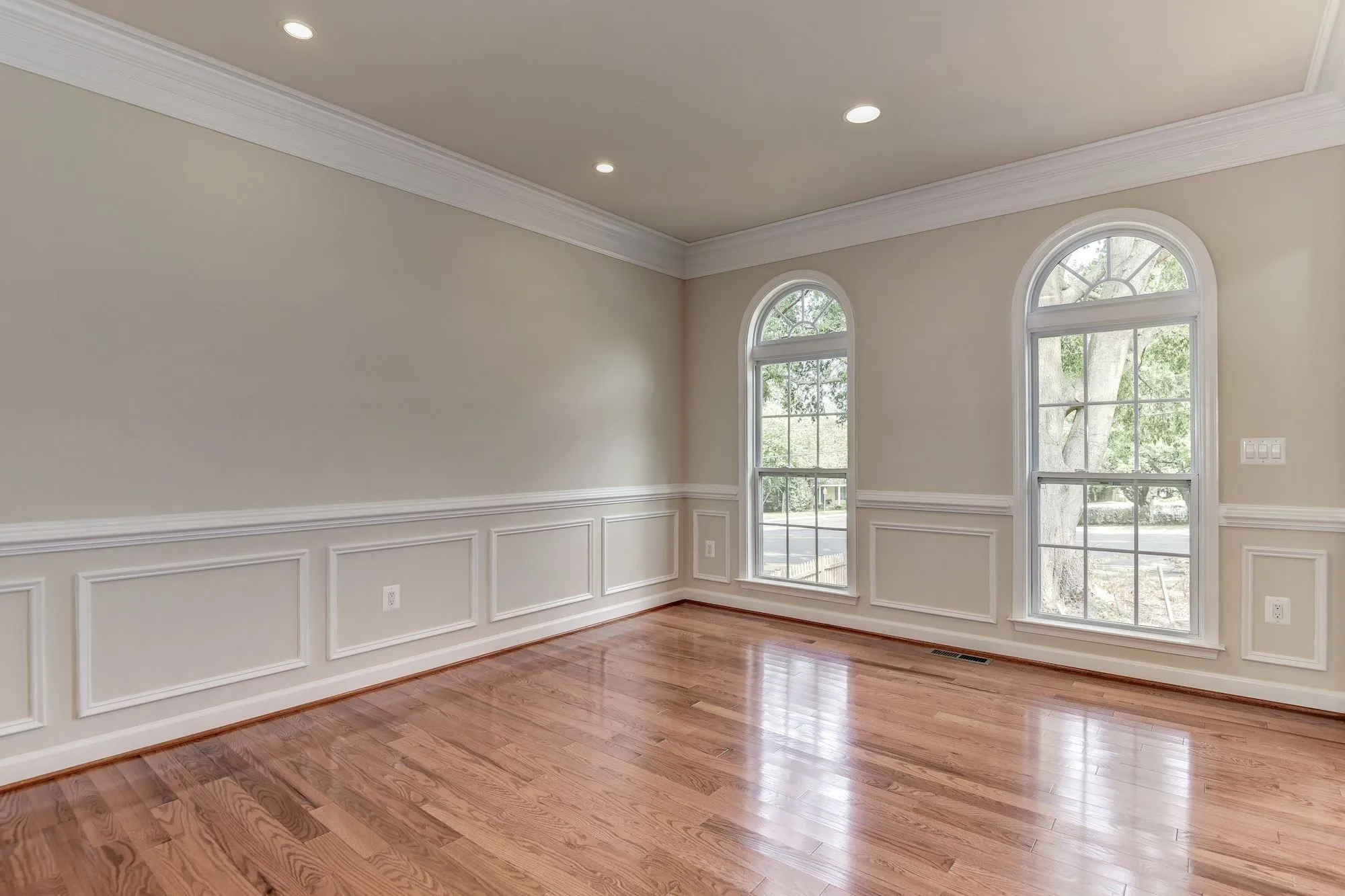
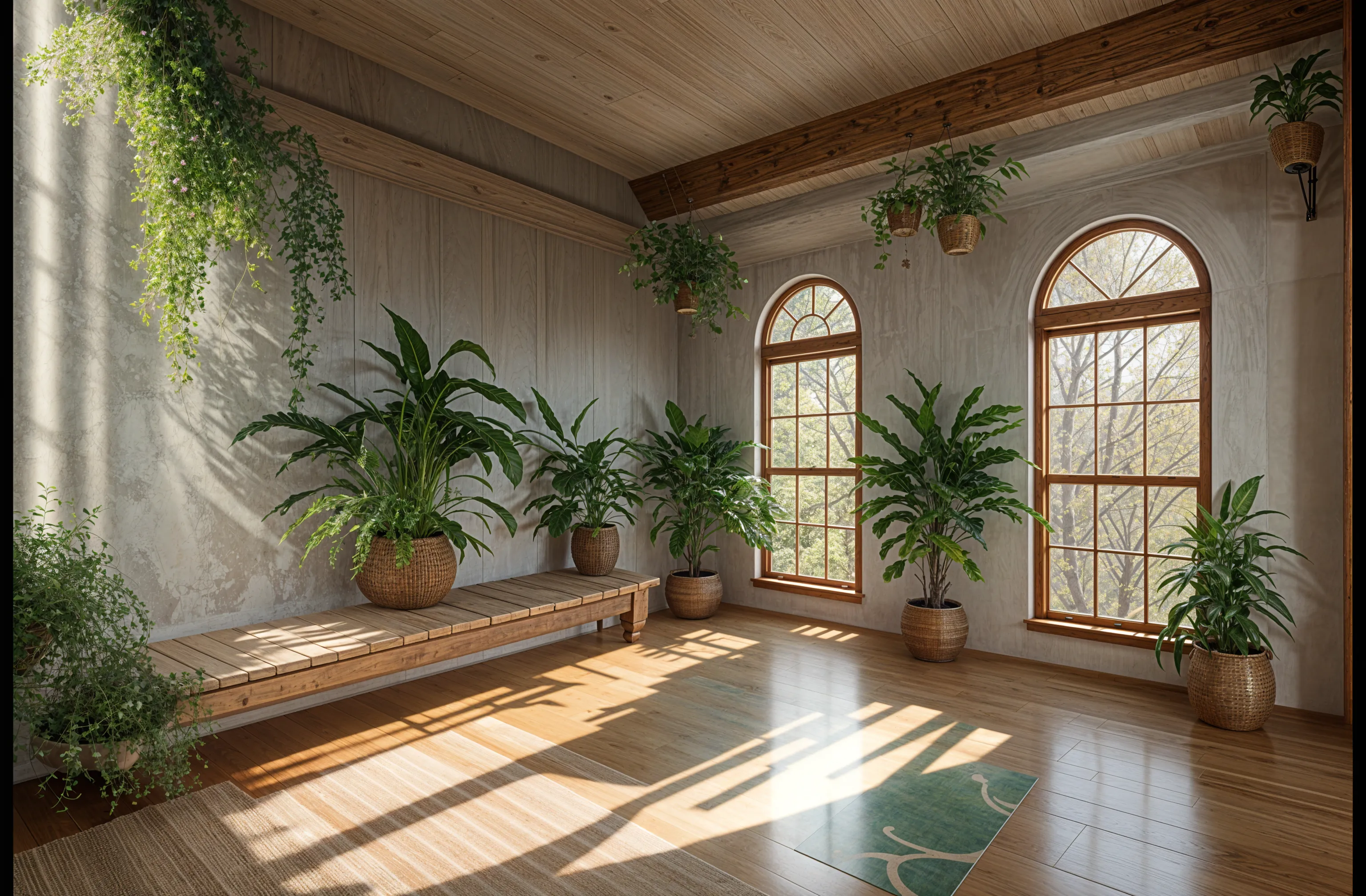
Where it works, and where it doesn’t
It suits small rooms and rooms with good daylight, and it is forgiving of plain architecture: it needs no moldings, fireplace or high ceiling. It is also one of the easier looks to build in stages, since most of it is paint, a rug and a few pieces of furniture.
It is harder to live with if you like color and pattern, or if the room has to keep a lot of things in view. A room that is all white and pale wood can also feel flat. The designs that work keep one darker or textured element, such as a black lamp or a woven basket.
How to see it on your own living room
- Photograph the room. Stand in a doorway or a corner in daylight and use your phone’s normal 1x lens, so the seating, the main window and some floor are all in frame.
- Choose the room and the style. In Remodel, pick Living room as the room and Scandinavian as the style. Remodel is designed to keep the shape of the space and its windows and to change the finishes around them.
- Run a second style on the same photo. Try Mid-Century Modern next and drag the slider on each. A style is easier to judge beside another one than on its own.
- Refine the one you keep. On a paid plan, Edit changes one thing you describe and Brush changes only the area you paint over. Designs are saved in your Library beside the original photo.
Styles to compare it with
- Mid-Century Modern. Warmer wood tones, stronger shapes and more color.
- Japandi. The same restraint with darker wood, lower furniture and an earthier palette.
- Minimalist. Fewer objects still and less texture; cooler and more architectural.
What a design can’t tell you
A design is a picture of a direction. It has no measurements, so it can’t tell you whether a sofa that size fits the wall or clears the door. The furniture in it is a look to match, not specific products, and a design can add things that aren’t in your room, such as a fireplace or a different view out of the window. Treat those as ideas.
What it costs
On the web, the Living room room type and the Scandinavian style are both included with a free account, which comes with starter credits and needs no card. Every paid plan adds Edit and Brush and unlocks all the styles and room types. The pricing page lists what each plan includes.
Common questions
- What colors go in a Scandinavian living room?
- White, warm off-white, pale grey and the natural color of light wood, with black in small amounts for contrast. Accent colors are usually muted, such as dusty blue, sage green or ochre in a cushion or a print.
- What is the difference between Scandinavian and minimalist?
- Both are pared back. Scandinavian rooms are warmer: they use wood, wool and lamplight to stay comfortable. Minimalist rooms remove more and rely on proportion and empty space.
- Can I get the look in a rental?
- Mostly, yes. Much of it is furniture, a rug, lamps and textiles, which leave with you. The page for renters covers how to keep the walls and floor as they are in a design.
- Is the Scandinavian style free to try on a living room?
- Yes. On the web, a free account includes the Living room room type and the Scandinavian style, with starter credits and no card. Paid plans start with Basic at $13 a month, or $91 a year and add Edit and Brush for changing one thing at a time. The pricing page lists what each plan includes.
See your living room in the Scandinavian style
Upload a photo, pick the style, and compare it with what you have now.
Redesign my living room