An industrial living room, tried on your own room.
Industrial style comes from factories and warehouses turned into homes, where brick, steel, concrete and pipework were left on show. In an ordinary living room those surfaces have to be suggested, so it is worth seeing how far to take it before you commit to anything permanent.
Updated

Short answer
An industrial living room shows its materials: brick, concrete, black steel and worn wood, with leather or heavy fabric seating and exposed lighting. To see it on your own living room, upload a photo to Remodeled AI and choose the Living room room type and the Industrial style. On the web, Industrial comes with every paid plan, starting with Basic at $13 a month, or $91 a year, and a free account can try the same photo in 7 other styles first.
What makes a industrial living room
- Raw surfaces. Exposed brick, concrete or plaster, or a finish that looks like them on one wall.
- Black metal. Steel-framed windows, shelving, table bases and lamp arms.
- Worn wood. Reclaimed or dark-stained boards on the floor and in tables and shelves.
- Heavy seating. Leather or thick woven upholstery in brown, grey or black.
- Exposed lighting. Bare bulbs, metal shades and track lights, with visible conduit or ducting where it exists.
What to check on your own living room
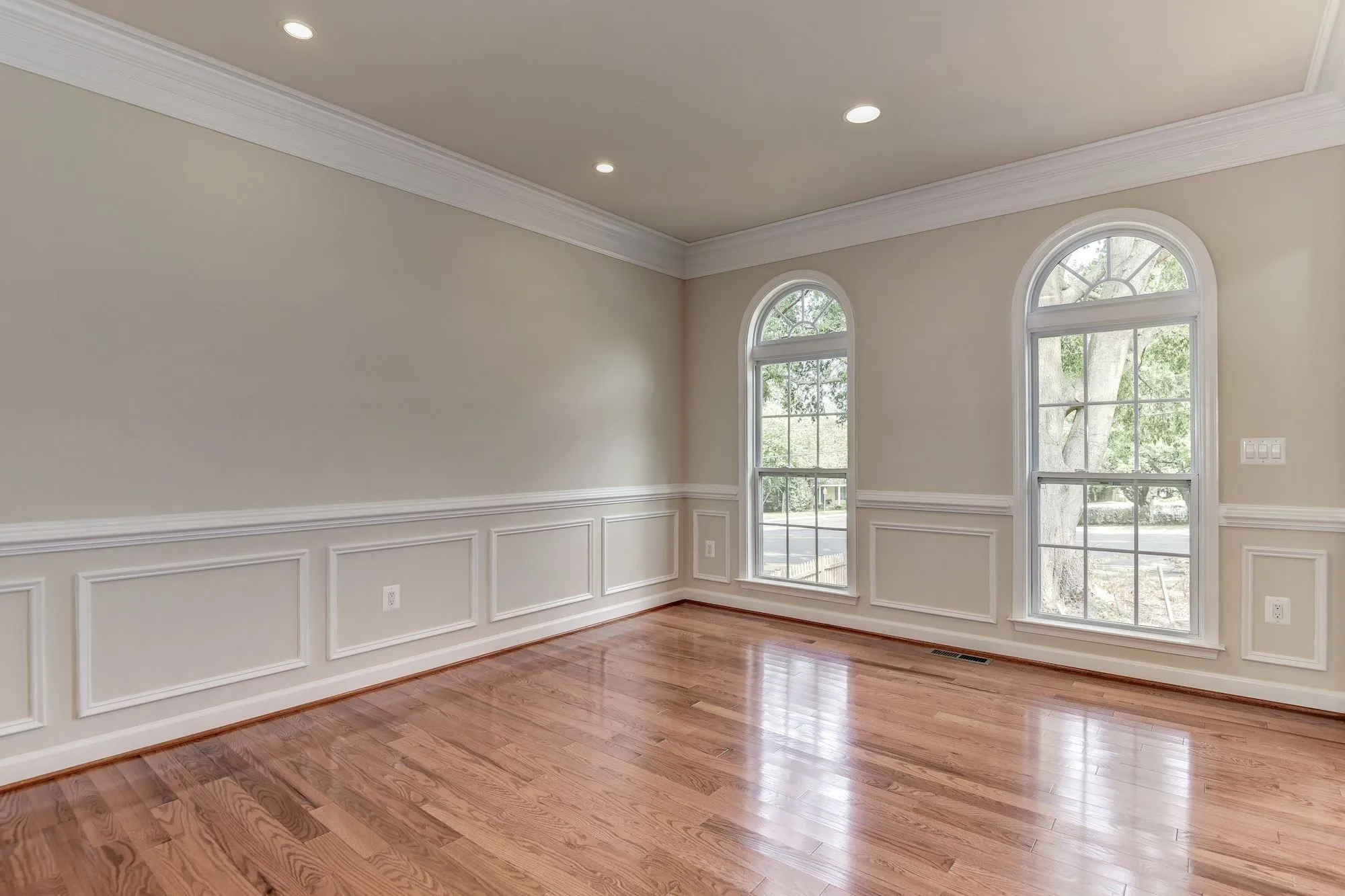
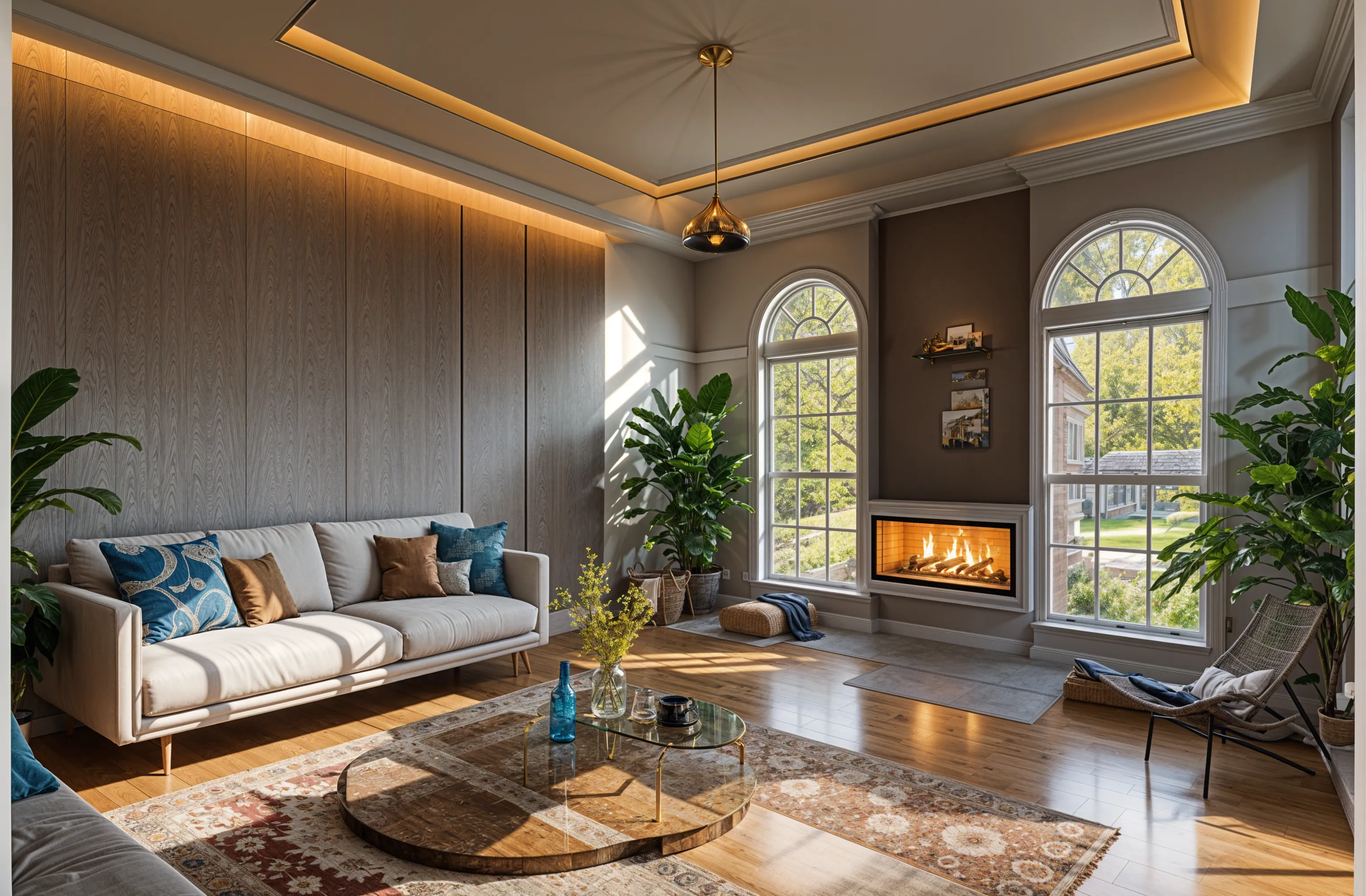
A photo of someone else’s living room can’t tell you how the style sits with your light, your proportions and the things you are keeping. These are the points to look at once it is on your photo:
- How dark it gets. Brick and dark wood absorb light. In a small or dim room, compare one feature wall with a full treatment.
- What is real. A design may show brick or ducting your room doesn’t have. Ask whether you would add it, or get the mood from furniture and lighting alone.
- Softness. Look for a rug, textiles and plants in the design. Without them the room can feel hard and echo.
Where it works, and where it doesn’t
It suits lofts, rooms with high ceilings and large windows, and homes that already have brick, beams or concrete to reveal. It is also tolerant of wear, which helps with children and pets.
It is harder in a low, small or dark room, and in a house with delicate period detail, where raw finishes fight the architecture. There a lighter version works better: black metal, leather and wood against plain pale walls.
How to see it on your own living room
- Photograph the room. Stand in a doorway or a corner in daylight and use your phone’s normal 1x lens, so the seating, the main window and some floor are all in frame.
- Choose the room and the style. In Remodel, pick Living room as the room and Industrial as the style. Remodel is designed to keep the shape of the space and its windows and to change the finishes around them.
- Run a second style on the same photo. Try Mid-Century Modern next and drag the slider on each. A style is easier to judge beside another one than on its own.
- Refine the one you keep. On a paid plan, Edit changes one thing you describe and Brush changes only the area you paint over. Designs are saved in your Library beside the original photo.
Styles to compare it with
- Mid-Century Modern. Warm wood and leather with cleaner, lighter shapes. This one is included with a free account.
- Scandinavian. The opposite in tone: pale, soft and bright. This one is included with a free account.
- Rustic. Also worn wood and texture, but warmer and without the metal.
What a design can’t tell you
A design is a picture of a direction. It has no measurements, so it can’t tell you whether a sofa that size fits the wall or clears the door. The furniture in it is a look to match, not specific products, and a design can add things that aren’t in your room, such as a fireplace or a different view out of the window. Treat those as ideas.
What it costs
On the web, Industrial is one of the styles that come with every paid plan, starting with Basic at $13 a month, or $91 a year. A free account can try the same photo in Biophilic, Mid-Century Modern, Scandinavian, Minimalist, Cottage, Contemporary and Farmhouse first. Every paid plan adds Edit and Brush and unlocks all the styles and room types. The pricing page lists what each plan includes.
Common questions
- What colors suit an industrial living room?
- Brick red, charcoal, black, grey and brown, with off-white to relieve them. Color beyond that usually comes from leather, a rug or plants.
- Can I get an industrial look without exposed brick?
- Yes. Black metal furniture and lighting, dark wood, leather and a concrete-grey wall color carry the look. Brick-effect finishes exist, but see the room without them first.
- Is industrial style too cold for a family living room?
- It can be if it is all hard surfaces. Designs that add a large rug, textiles, warm bulbs and plants are comfortable, and the materials hide wear well.
- Is the Industrial style free to try on a living room?
- Not this style. On the web, Industrial comes with every paid plan, starting with Basic at $13 a month, or $91 a year. A free account, with starter credits and no card, can try the same living room photo in Biophilic, Mid-Century Modern, Scandinavian, Minimalist, Cottage, Contemporary and Farmhouse. The pricing page lists what each plan includes.
See your living room in the Industrial style
Upload a photo, pick the style, and compare it with what you have now.
Redesign my living room