A biophilic living room, tried on your own room.
Biophilic design means building a connection to nature into a room: living plants, daylight, wood, stone and views. It is more than adding a few pots, and how well it works depends on the light your living room really gets.
Updated
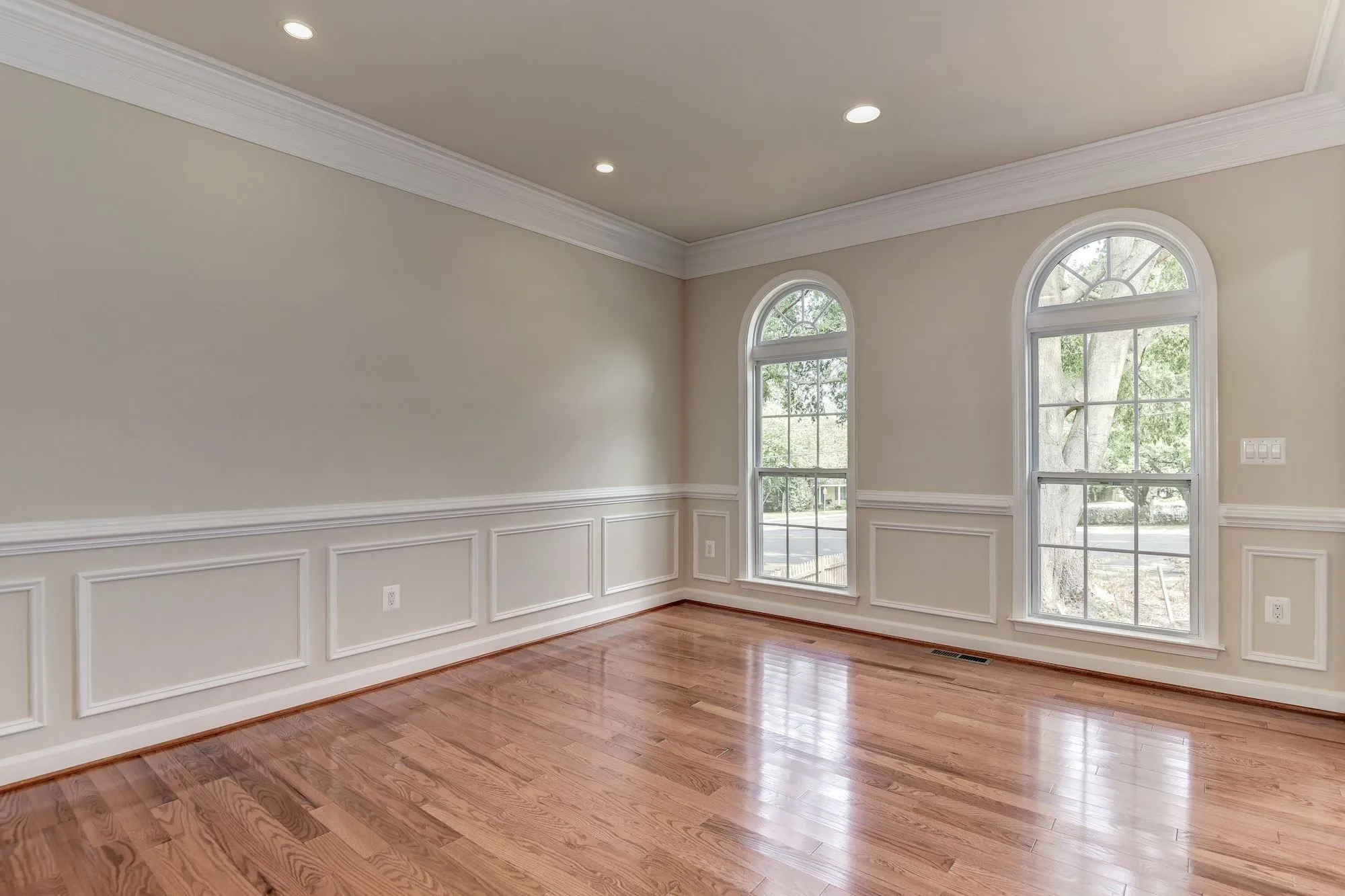
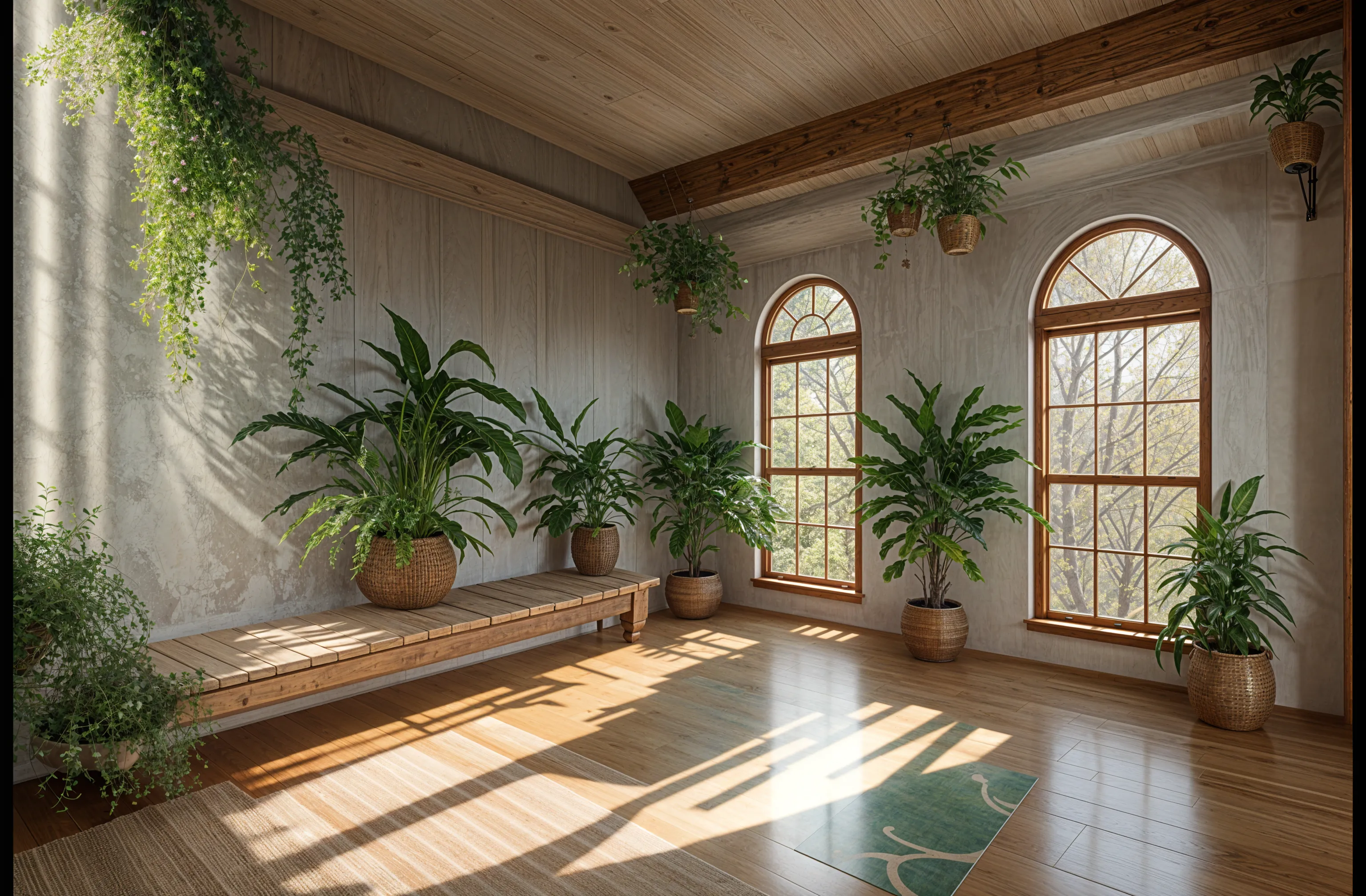
Short answer
A biophilic living room is organized around daylight, living plants and natural materials such as wood, stone, linen and rattan. To see it on your own living room, upload a photo to Remodeled AI and choose the Living room room type and the Biophilic style. On the web, both are included with a free account, with starter credits and no card.
What makes a biophilic living room
- Plants at several heights. Floor plants, shelf plants and trailing plants, grouped so they read as part of the room.
- Natural materials. Wood, stone, clay, linen, wool, jute and rattan, left close to their natural color.
- Daylight first. Windows are kept clear and seating is placed to face them.
- Earth and leaf colors. Greens, browns, sand and off-white, with little that is glossy.
- Organic shapes. Rounded furniture, uneven ceramics and visible wood grain soften the straight lines of the room.
What to check on your own living room
A photo of someone else’s living room can’t tell you how the style sits with your light, your proportions and the things you are keeping. These are the points to look at once it is on your photo:
- Where the light falls. A design may put plants in a corner that gets no sun. Note which spots near your windows could really support them.
- Floor space. Large planters take room. Check that walkways and seating still work.
- Upkeep. Count the plants in the design you like and ask whether you would water that many.
Where it works, and where it doesn’t
It suits bright rooms, rooms that look onto a garden or trees, and plain modern spaces that feel hard or echoing. It also works alongside other styles: Scandinavian, Japandi and mid-century rooms all take plants and natural materials easily.
It is harder in a dark room, where most plants struggle, and in homes with pets that chew leaves, since some common houseplants are toxic to cats and dogs. In those rooms let the materials and colors carry the look, with a few hardy or pet-safe plants.
How to see it on your own living room
- Photograph the room. Stand in a doorway or a corner in daylight and use your phone’s normal 1x lens, so the seating, the main window and some floor are all in frame.
- Choose the room and the style. In Remodel, pick Living room as the room and Biophilic as the style. Remodel is designed to keep the shape of the space and its windows and to change the finishes around them.
- Run a second style on the same photo. Try Scandinavian next and drag the slider on each. A style is easier to judge beside another one than on its own.
- Refine the one you keep. On a paid plan, Edit changes one thing you describe and Brush changes only the area you paint over. Designs are saved in your Library beside the original photo.
Styles to compare it with
- Scandinavian. Also light and natural, with fewer plants and a paler palette.
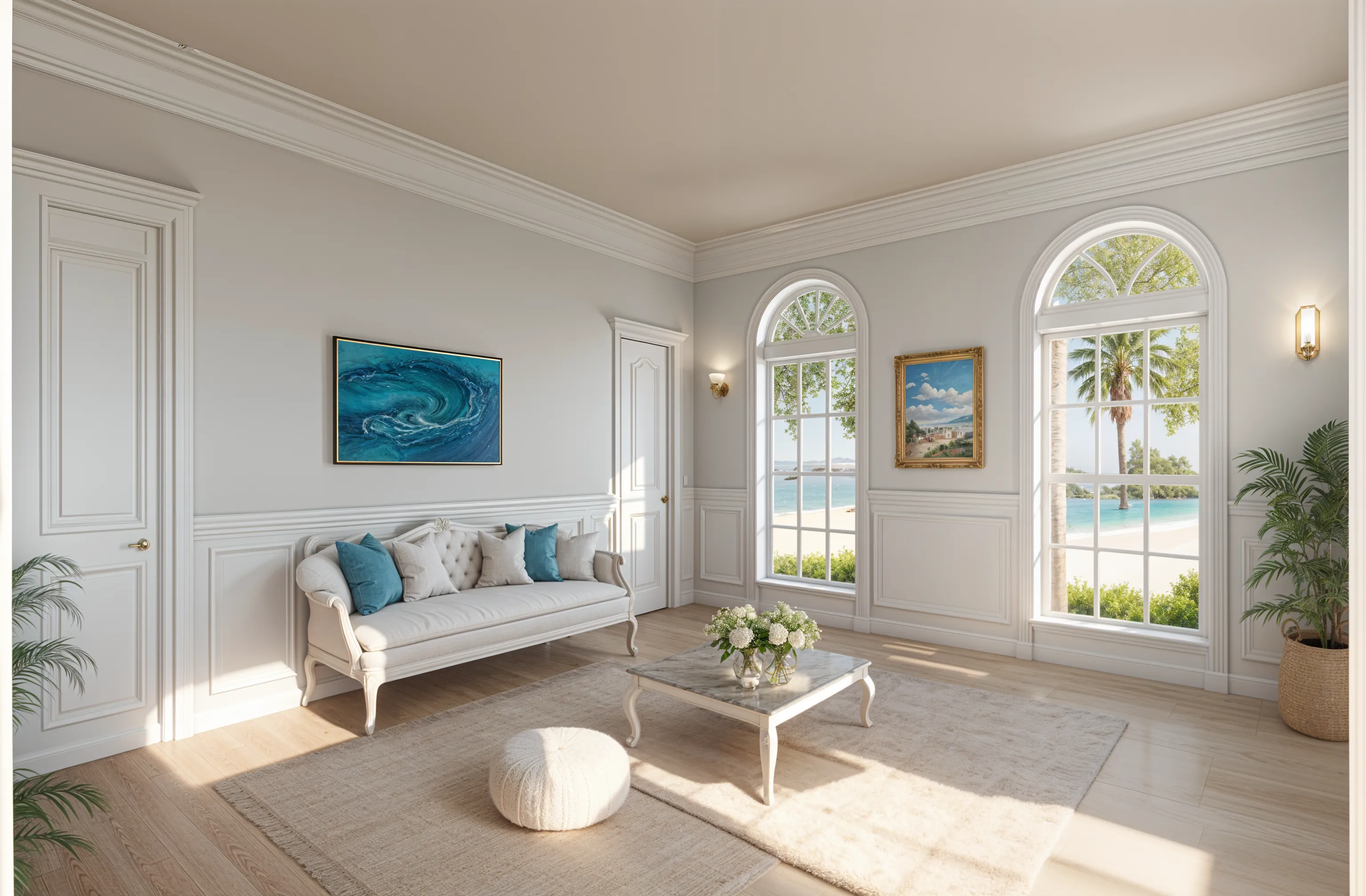
- Coastal. Light and natural too, with blues and whites in place of greens and browns.
- Japandi. Quieter and sparer, with one or two plants as accents.
What a design can’t tell you
A design is a picture of a direction. It has no measurements, so it can’t tell you whether a sofa that size fits the wall or clears the door. The furniture in it is a look to match, not specific products, and a design can add things that aren’t in your room, such as a fireplace or a different view out of the window. Treat those as ideas.
What it costs
On the web, the Living room room type and the Biophilic style are both included with a free account, which comes with starter credits and needs no card. Every paid plan adds Edit and Brush and unlocks all the styles and room types. The pricing page lists what each plan includes.
Common questions
- What is biophilic design?
- It is an approach to interiors that connects people with nature through living plants, daylight, natural materials, views and natural shapes. The word comes from biophilia, the idea that people are drawn to living things.
- Do I need a lot of plants?
- No. A few large plants do more than many small ones, and wood, stone, linen and good daylight carry much of the effect.
- Will the design show plants that suit my room?
- No. The plants in a design are a visual idea. It doesn’t know your light, climate or pets, so choose real plants with a nursery’s advice.
- Is the Biophilic style free to try on a living room?
- Yes. On the web, a free account includes the Living room room type and the Biophilic style, with starter credits and no card. Paid plans start with Basic at $13 a month, or $91 a year and add Edit and Brush for changing one thing at a time. The pricing page lists what each plan includes.
See your living room in the Biophilic style
Upload a photo, pick the style, and compare it with what you have now.
Redesign my living room