A zen bedroom, tried on your own room.
A zen bedroom takes its cues from Japanese interiors: low furniture, natural materials, soft light and almost nothing on show. It is the style to look at when a bedroom should be for sleep and nothing else, and it is close to what many people mean by Japandi.
Updated
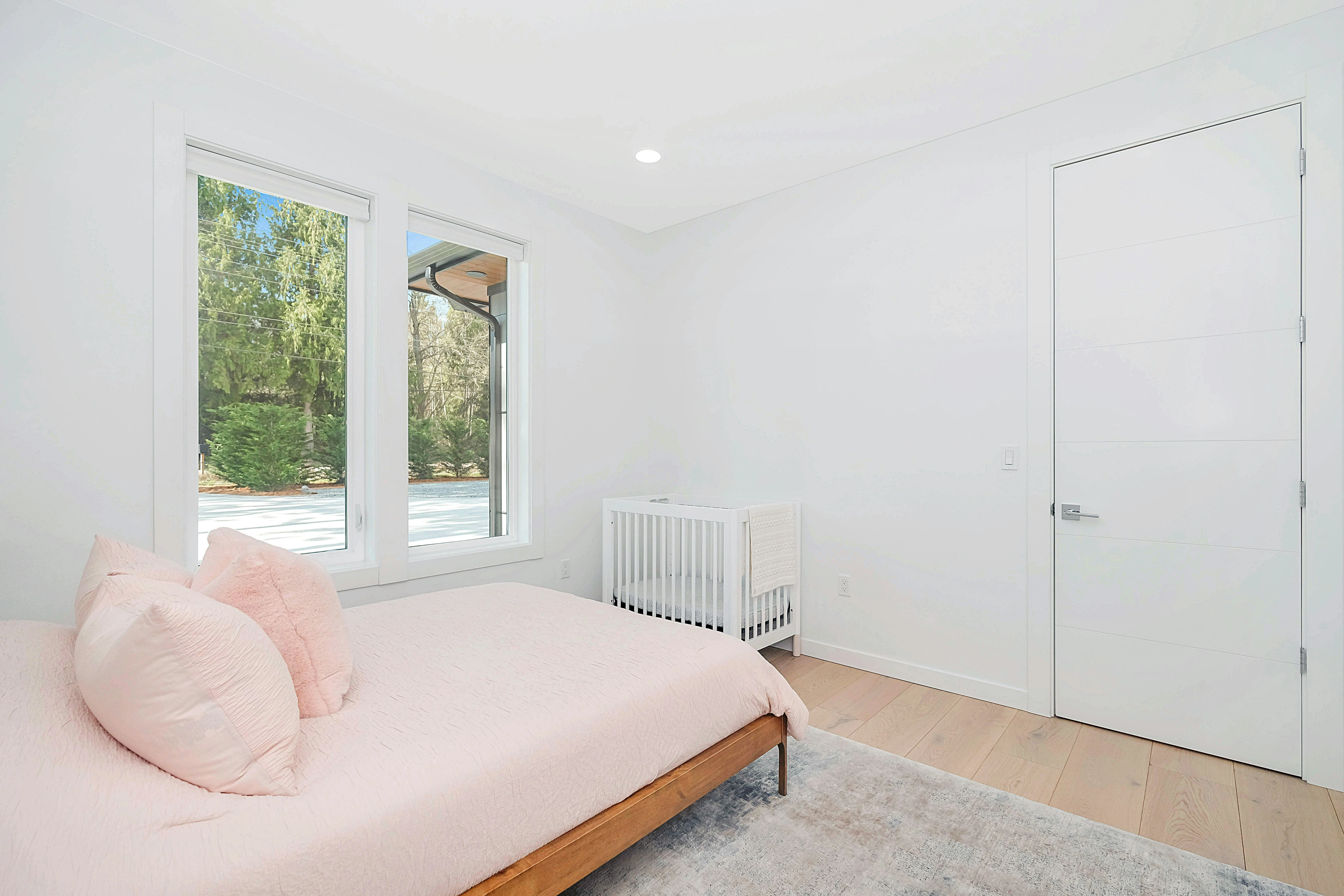
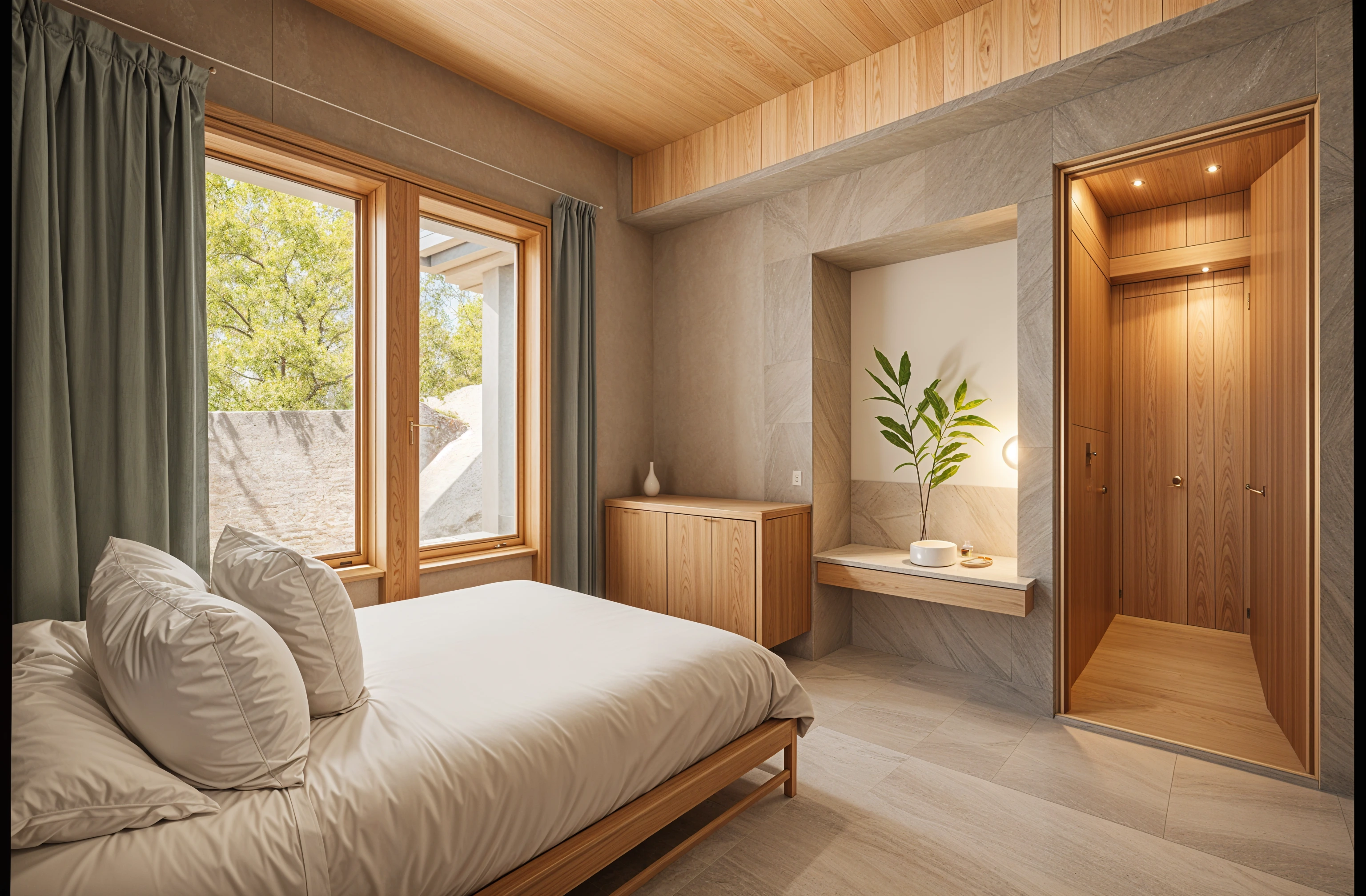
Short answer
A zen bedroom is calm and sparse: a low bed, natural wood, linen or cotton bedding in neutral colors, soft indirect light and clear surfaces. To see it on your own bedroom, upload a photo to Remodeled AI and choose the Bedroom room type and the Zen style. On the web, Zen comes with every paid plan, starting with Basic at $13 a month, or $91 a year, and a free account can try the same photo in 7 other styles first.
What makes a zen bedroom
- A low bed. A platform or low frame in natural wood, with plain bedding.
- Natural materials. Wood, linen, cotton, paper, stone and bamboo, in their own colors.
- A narrow palette. Off-white, sand, grey-beige and wood, with green from one plant or branch.
- Soft light. Daylight is filtered through curtains or paper shades, and lamps are low and warm.
- Empty surfaces. Storage is closed, and each table or shelf holds one thing or nothing.
What to check on your own bedroom
A photo of someone else’s bedroom can’t tell you how the style sits with your light, your proportions and the things you are keeping. These are the points to look at once it is on your photo:
- Storage. The calm depends on things being put away. Look at where clothes and bedside clutter would go.
- Built-in detail. Designs often add wood paneling, a niche or a lowered ceiling. Decide whether you want that work, or only the furniture and colors.
- Window covering. Check how the design handles your window, since a bedroom needs darkness as well as soft daylight.
Where it works, and where it doesn’t
It suits small bedrooms, where low furniture and few objects make the room feel larger, and anyone who sleeps better in a plain room. It also needs little: a low bed, good bedding and one lamp get most of the way.
It is harder if the bedroom is also an office, a dressing room or a place for a television, because each of those adds things to look at. In a large room it can feel bare; a rug and a bench or chair help.
How to see it on your own bedroom
- Photograph the room. Stand in the doorway in daylight and use your phone’s normal 1x lens, with the bed and the window both in frame. Make the bed first: a design follows the shapes it is given.
- Choose the room and the style. In Remodel, pick Bedroom as the room and Zen as the style. Remodel is designed to keep the shape of the space and its windows and to change the finishes around them.
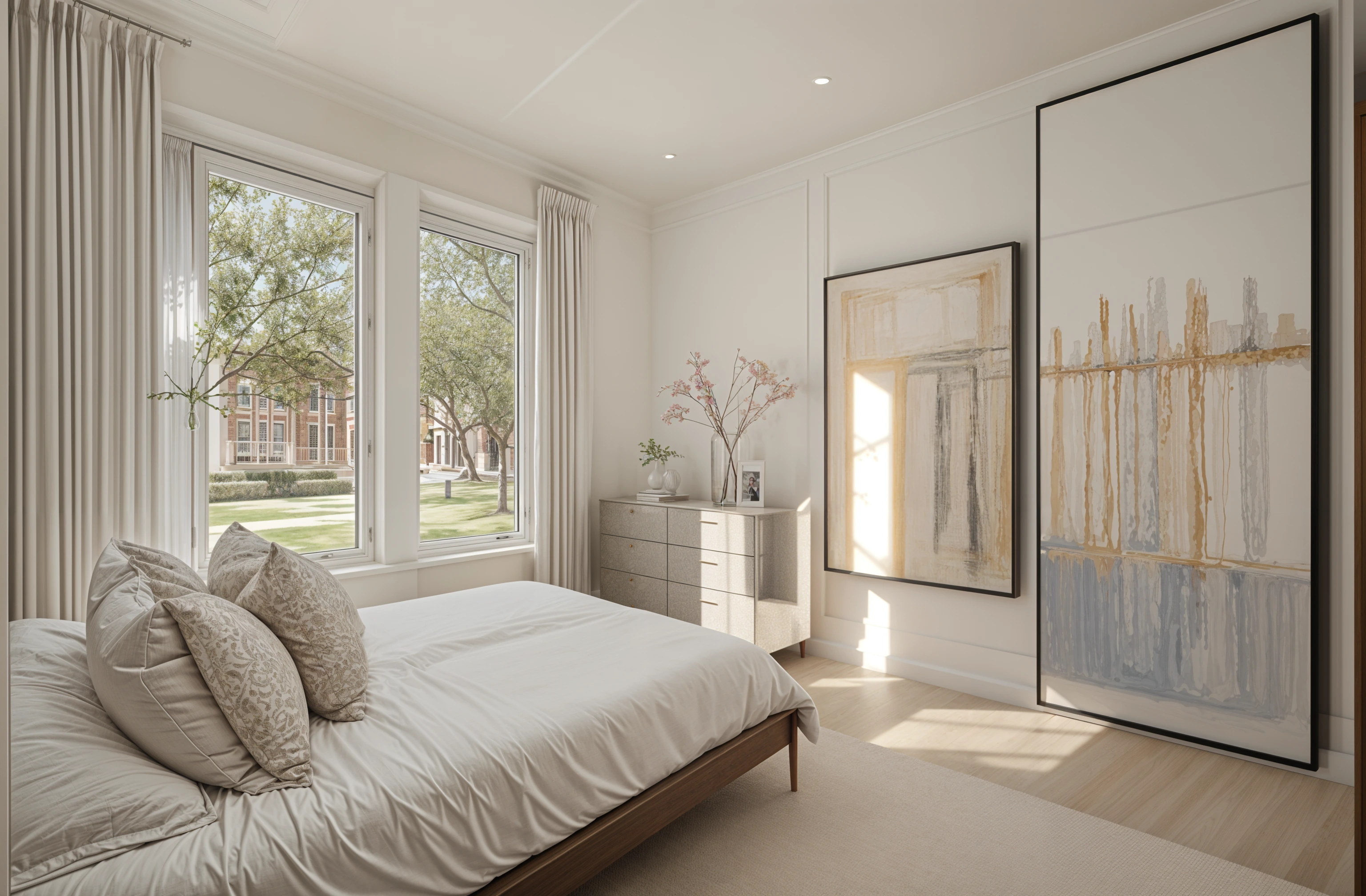
- Run a second style on the same photo. Try Transitional next and drag the slider on each. A style is easier to judge beside another one than on its own.
- Refine the one you keep. On a paid plan, Edit changes one thing you describe and Brush changes only the area you paint over. Designs are saved in your Library beside the original photo.
Styles to compare it with
- Transitional. Soft and neutral too, but fuller and more familiar.
- Japandi. Zen calm with Scandinavian comfort: a little more furniture, texture and contrast.
- Wabi-Sabi. Rougher and more irregular, with worn and handmade surfaces.
What a design can’t tell you
A design is a picture of a direction. It has no measurements, so it can’t tell you whether a bed, a dresser and a walkway all fit. The furniture and fabrics are a look to match, not specific products, and a design can add built-in details, such as paneling or a niche, that would be real construction. Treat those as ideas.
What it costs
On the web, Zen is one of the styles that come with every paid plan, starting with Basic at $13 a month, or $91 a year. A free account can try the same photo in Biophilic, Mid-Century Modern, Scandinavian, Minimalist, Cottage, Contemporary and Farmhouse first. Every paid plan adds Edit and Brush and unlocks all the styles and room types. The pricing page lists what each plan includes.
Common questions
- What is the difference between zen and Japandi?
- Zen is the sparer of the two, drawn from Japanese interiors alone. Japandi blends that with Scandinavian design, so it tends to have more furniture, softer textiles and a little more contrast. Remodeled AI lists both as styles, so you can compare them on the same photo.
- What colors make a bedroom feel zen?
- Off-white, sand, warm grey and natural wood, with black or dark brown in small amounts and green from a plant.
- Do I need a platform bed?
- No, but a low bed matters more than any other piece. A plain low frame in wood, without a tall headboard, gives the same effect.
- Is the Zen style free to try on a bedroom?
- Not this style. On the web, Zen comes with every paid plan, starting with Basic at $13 a month, or $91 a year. A free account, with starter credits and no card, can try the same bedroom photo in Biophilic, Mid-Century Modern, Scandinavian, Minimalist, Cottage, Contemporary and Farmhouse. The pricing page lists what each plan includes.
See your bedroom in the Zen style
Upload a photo, pick the style, and compare it with what you have now.
Redesign my bedroom